
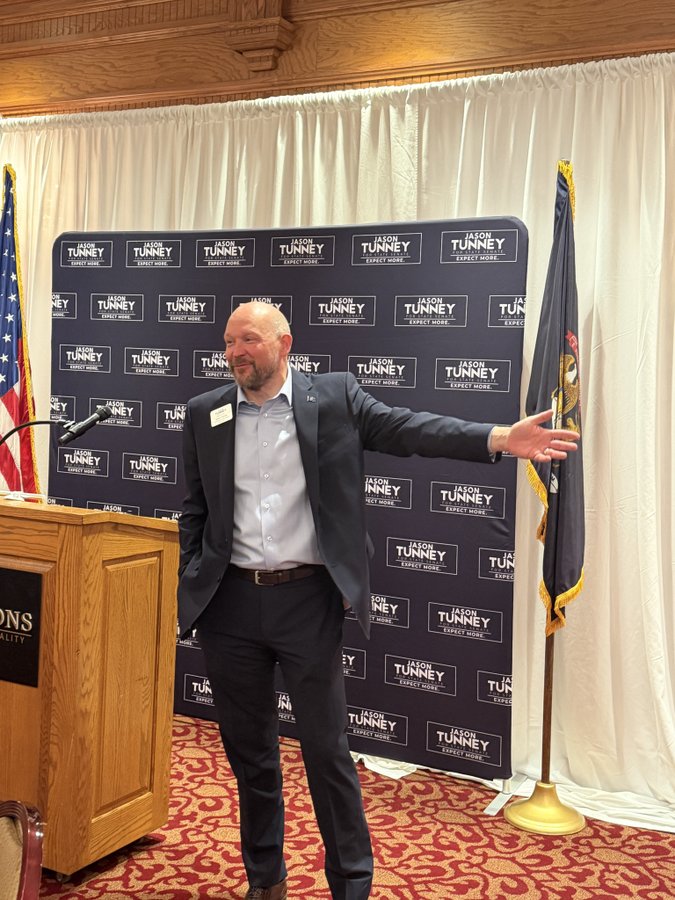
The High-Stakes Battle for Michigan’s 35th District
Michigan’s 35th State Senate District is currently the most significant political battlefield in the state. Following the vacancy left by Kristen McDonald Rivet’s election to Congress, this "Tri-Cities" seat has become the center of a power struggle that could determine the legislative future of Michigan.
With Jason Tunney securing the Republican nomination and Chedrick Greene winning the Democratic nod on February 3, 2026, the stage is set for a pivotal special general election on May 5, 2026.
1. The Stakes: Control of the Michigan Senate
The primary reason the 35th District is under a national spotlight is the razor-thin margin in Lansing.
- Current Composition: 19 Democrats – 18 Republicans – 1 Vacancy.
- The Power Shift: If Jason Tunney flips this seat, the Senate moves to a 19-19 deadlock. While the Lt. Governor holds the tie-breaker, a 19-19 split effectively ends the Democrats' "trifecta," forcing bipartisan negotiation on every major bill and budget.
2. District Profile: The "Swing of all Swings"
The 35th District encompasses the "Tri-Cities" region, serving as a microcosm of Michigan’s shifting political identity:
- Saginaw County: The quintessential "swing county" that has mirrored the statewide winner in nearly every election since 1992.
- Bay County: A historically blue-collar Democratic stronghold trending significantly Republican over the last decade.
- Midland County: A traditional GOP bastion, though the city of Midland remains increasingly competitive.
3. The 2026 Primary Recap
The Republican Primary: Tunney’s Momentum
Jason Tunney emerged from a four-candidate field, focusing on "restoring the voice" of a district that Republicans argue was intentionally silenced by the Governor’s office.
The Democratic Primary: Greene’s Working-Class Appeal
Chedrick Greene, a Saginaw Fire Captain and Marine veteran, defeated a crowded field of six. His victory suggests Democratic voters are pivoting toward "working-class" profiles and moving away from "woke" messaging that has struggled in the Tri-Cities.
4. Controversy: The "238-Day Delay"
The defining narrative of this race is the timing. Governor Gretchen Whitmer waited 238 days to schedule the election after the seat was vacated in January 2025.
"Democrats were content to leave this seat empty while mid-Michigan paid the price." — Jason Tunney
Republicans argue the delay was a partisan tactic to protect the narrow Democratic majority during crucial budget negotiations, leading to multiple lawsuits from disenfranchised residents.
5. Key Campaign Issues
- Public Safety: Tunney is leveraging his experience as a prosecutor to address rising crime concerns in Saginaw.
- Economic Accountability: Tunney is campaigning on tax cuts and regulatory rollbacks, while Greene supports increased government spending on social programs.
- Education Reform: Both candidates are under pressure to ensure Michigan's $23+ billion education budget reaches local classrooms effectively.
6. Looking Ahead: May 5th General Election
The winner of the May 5th special election will serve until December 31, 2026. However, they will hold the critical advantage of incumbency heading into the August primary and November general election for the full four-year term.