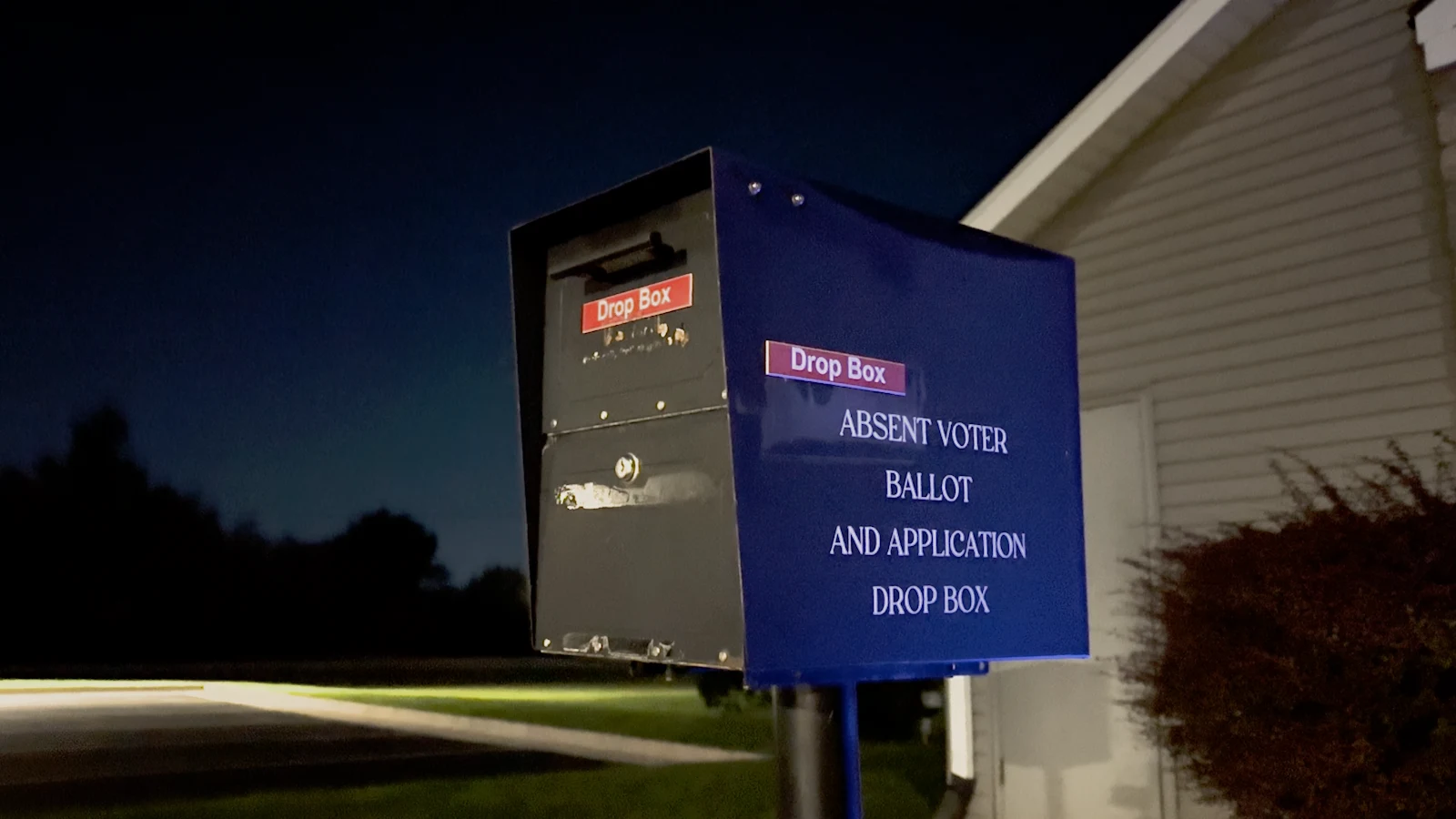

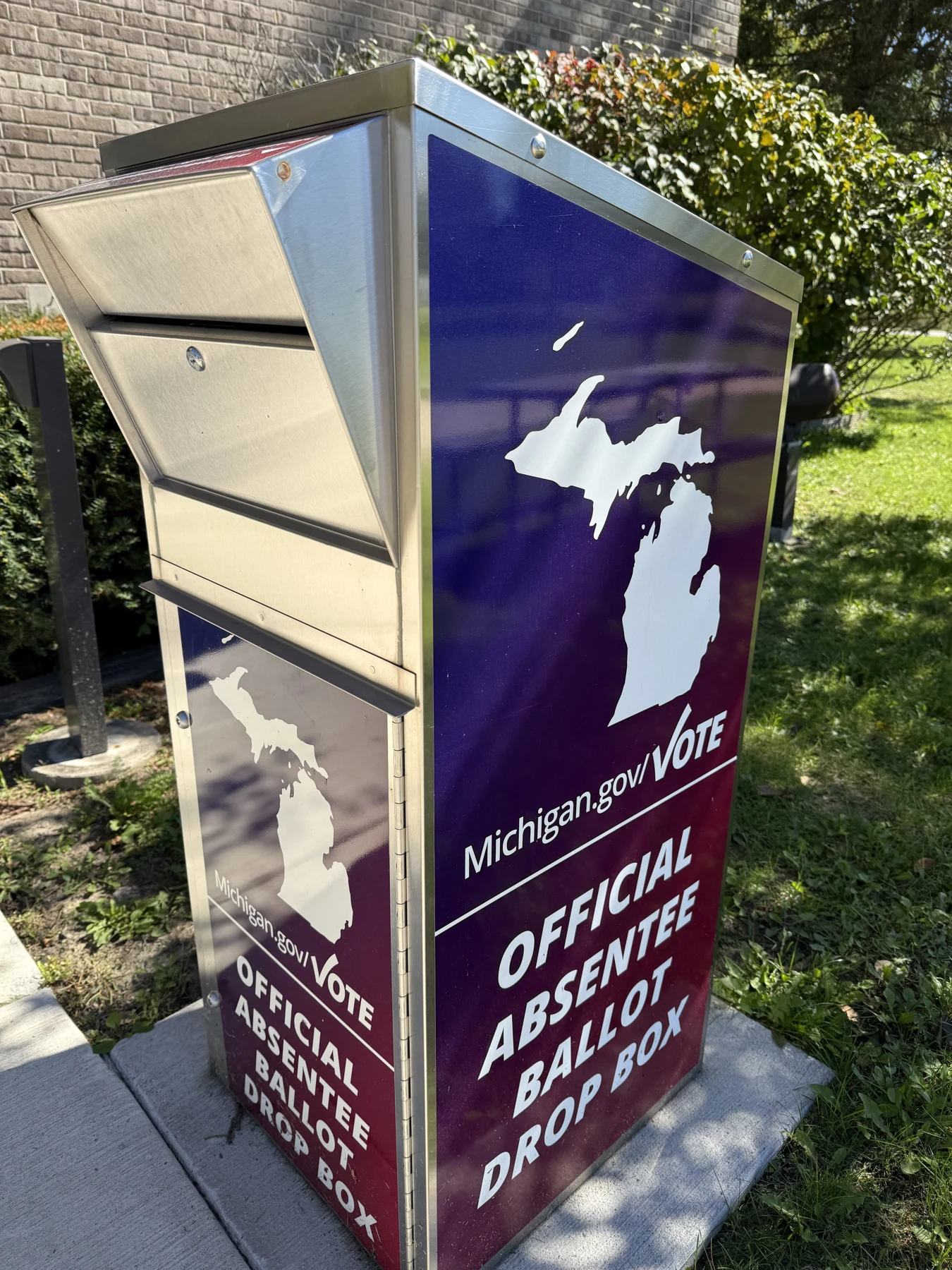
Patrick and Runestad have both publicly supported voting before Election Day.
Patrick’s September 24 post described an Oakland Republican voter guide timed to ballot delivery and digital advertising he said was already reaching absentee voters. Texts, calls, and door knocks were prepared, he wrote. His criticism of state-party priorities accompanied a specific account of county work.
An August 26 post described another part of that role: providing campaigns with access to voter data, training, and common resources. It presents the county organization as a provider of infrastructure as well as a source of voter communications.
Runestad has also made his position clear. Discussing the 2026 election with POLITICO in December 2025, he said, “we’ll be fully engaged in early and absentee voting — we have to be.” The same report described Monroe County Republican efforts to promote permanent absentee ballot enrollment. POLITICO’s reporting.
MIGOP’s September 24 volunteer appeal encouraged door knocking and calls. Its field and training page identifies regional leadership and explains how county organizations can coordinate events and training. The field-program section carries an RNC payment disclaimer.
These accounts concern organizations with different responsibilities. County parties, campaigns, state and national committees, and outside groups may all communicate with voters. Their published accounts describe programs and priorities, but do not provide comparable measures of completed contacts or additional ballots returned because of those contacts.
Kevin Kijewski and other Republican voices have emphasized the decisions voters make before November.
Kevin Kijewski raised the timing issue shortly after the primary. In an August 7 post, he argued that candidates needed to give voters affirmative reasons for support and warned against postponing that work: “Whoever waits for October will be talking to people who already voted.” His post distinguished the military and overseas schedule from ordinary absentee availability.
John James encouraged absentee voting on September 24. Tony Forlini had also emphasized that voters would make decisions before Election Day. Together, these statements show that the discussion extends beyond party administration to candidates’ own communication with voters.
Dennis Lennox’s September 24 account supplied a different perspective: his household had not received a Republican text that day. He also acknowledged earlier Americans for Prosperity mail supporting Republican candidates. His experience helps explain the discussion about timing, while remaining one household’s account.
The underlying debate has a history. Bridge Michigan reported in September 2024 on Republican efforts to promote absentee voting while navigating conflicting messages about the practice. The current statements show several Republican figures affirmatively encouraging participation before Election Day.
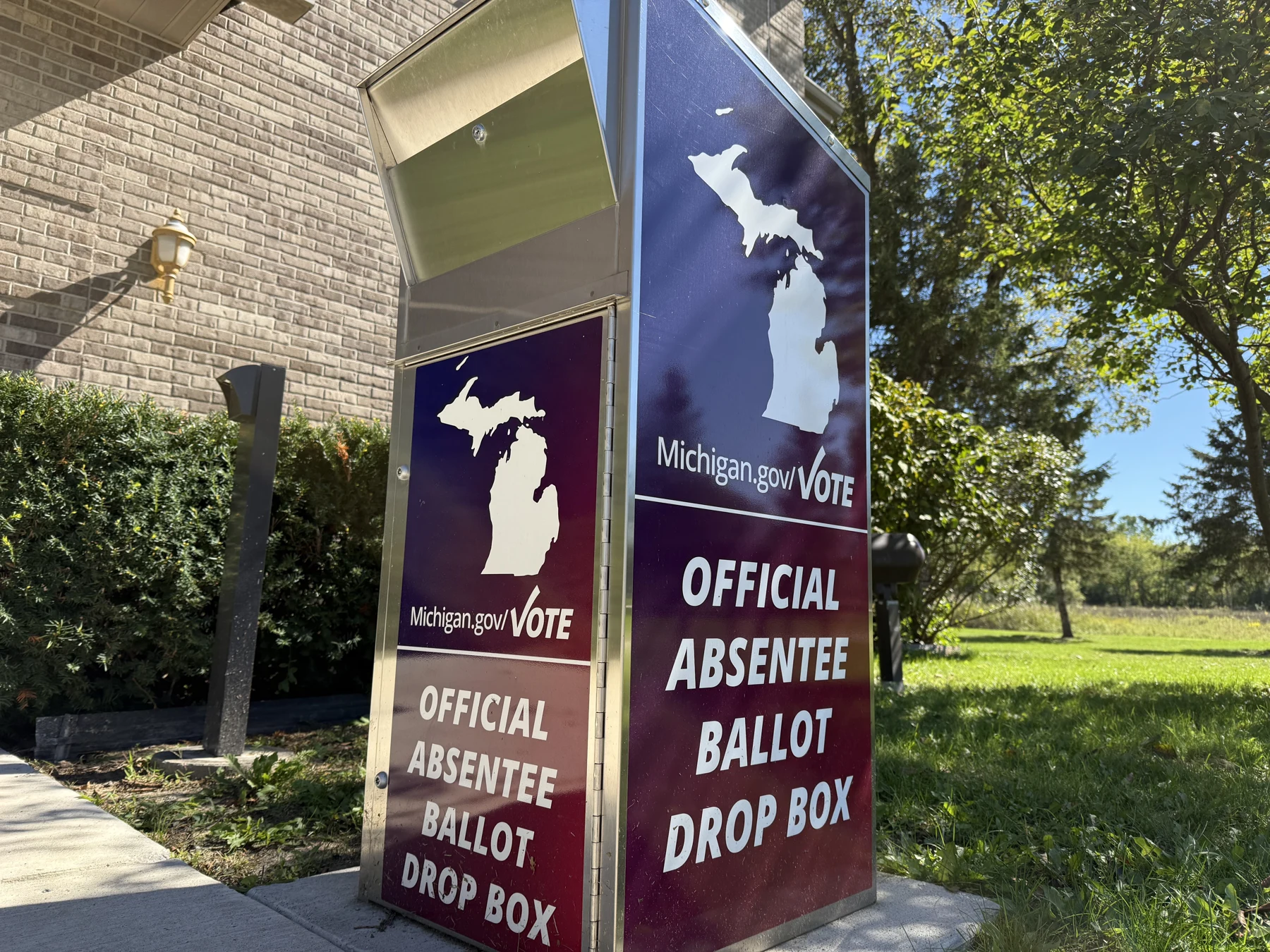
The Senate primary and open-primary rules complicate comparisons of party turnout.
Comparisons between Republican and Democratic gubernatorial-primary totals need to account for the other contests on each side of the ballot. The Democratic U.S. Senate primary attracted exceptional advertising and national attention. In a July 31 analysis, AdImpact reported $80.8 million in advertising supporting Democratic Senate candidates. Its report tracks advertising spending and reservations, rather than all campaign expenditures. University of Michigan lecturer Rusty Hills subsequently described the contest as the most expensive Democratic U.S. Senate primary in history. U-M interview.
That competition helps explain participation. Michigan State University political scientist Corwin Smidt told Michigan Advance that voters were animated to support or oppose Abdul El-Sayed. Consultant Andrea Bitely likewise pointed to the prominence of the Senate contest when explaining why the raw party totals overstated the difference in enthusiasm heading into November. These are explanations of turnout, not measurements of how many votes advertising produced. Michigan Advance’s post-primary analysis.
Michigan’s August primary is open: voters do not register by party and may choose either party’s primary, but must keep their partisan selections within one party column. A voter who ordinarily supports Republicans could therefore vote in the Democratic Senate contest while forgoing the Republican gubernatorial primary. Michigan voting rules.
There was documented Republican interest in the Democratic nominee. Before the primary, strategist Jason Roe told Michigan Advance that he hoped El-Sayed would win because he considered him a more favorable opponent for Mike Rogers. That establishes a strategic preference; it does not count voters who acted on it. The available results do not establish how many Republicans crossed over, whom they supported, or why. Roe’s remarks.
The primary totals consequently cannot be read as a count of November Republicans who failed to vote. The site’s primary-results coverage records the outcomes; participation, party identification, and general-election intentions are separate questions.